



Is vs Are: Simple Rules, Examples, and Common Grammar Fixes
The difference between is vs are comes down to the subject of the sentence. Use is with a singular subject. Use are with a plural subject or…
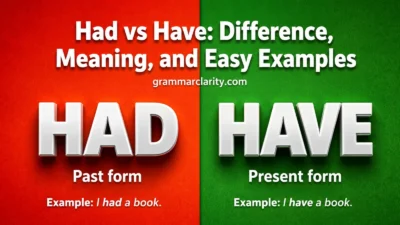
Had vs Have: Difference, Meaning, and Easy Examples
Had vs have is a common grammar choice because both words come from the same verb: have. The difference is mainly about time. Use have when…
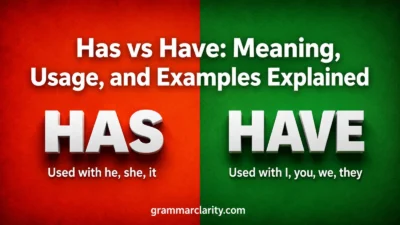
Has vs Have: Meaning, Usage, and Examples Explained
Has vs have is a common grammar choice because both words come from the same verb: have. The difference is not about meaning. It is about the…
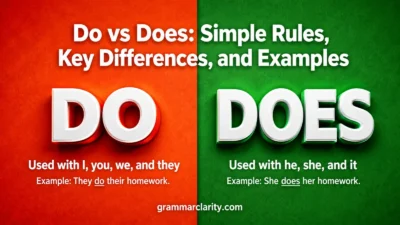
Do vs Does: Simple Rules, Key Differences, and Examples
Do vs does is a common English grammar choice, but the rule is simple: use do with I, you, we, they, and plural subjects. Use does with he,…
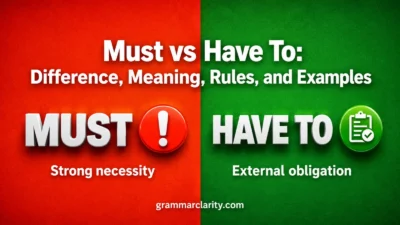
Must vs Have To: Difference, Meaning, Rules, and Examples
The difference between must vs have to is small but important. Both phrases show obligation, necessity, or requirement, but they do not always…
Shall vs Should: Meaning, Usage, and Examples
Shall vs should is a common word-choice question because both words deal with actions, duties, decisions, and expectations. They look closely…
Will vs Would: Simple Difference, Usage Rules, Examples
Will vs would is a common grammar choice because both words can point to the future, both can appear in requests, and both work as helping…
may vs might: Difference, Meaning, and Examples
May and might are both correct words, but they do not always feel the same. Use may when something is possible, somewhat likely, formally…
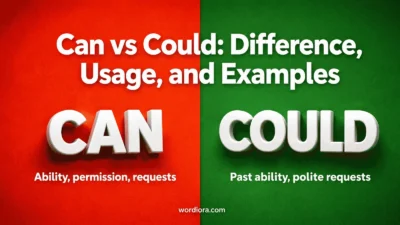
Can vs Could: Difference, Usage, and Examples
Both can and could are correct words. The right choice depends on what you mean. Use can for real present ability, direct permission, or a…
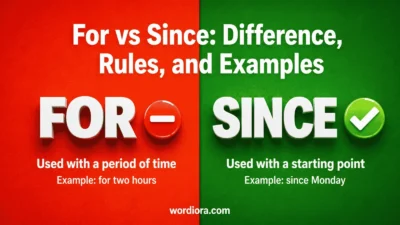
For vs Since: Difference, Rules, and Examples
For and since are both correct words, but they do different jobs in time expressions. Use for when you mean a length of time: for three days,…